
Hunger as a Measure of Attention
A Moveable FeastThis flow examines hunger as physical discomfort, perceptual sharpening, economic evidence, and an imperfect discipline for writing.
increasing Bearing strength in each event
 decreasing
Bearing strength in each eventdecreasingFood in the Windows
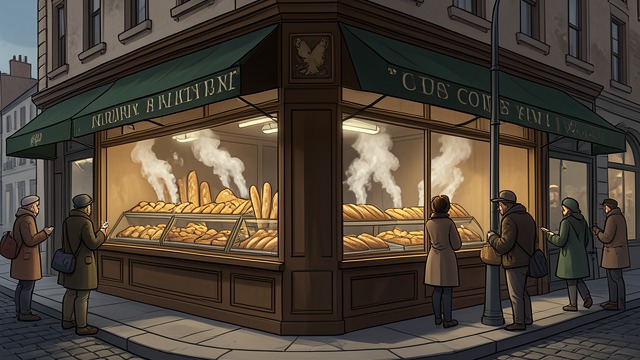
Food in the Windows
Appetite Made Visible
Ernest Hemingway walks past bakeries and sidewalk tables where food can be seen and smelled. The city makes hunger immediate rather than abstract.
Poverty in Public
His need is intensified by the abundance displayed around him. The streets reveal how economic hardship shapes attention and movement.
Seeing Cézanne Hungry
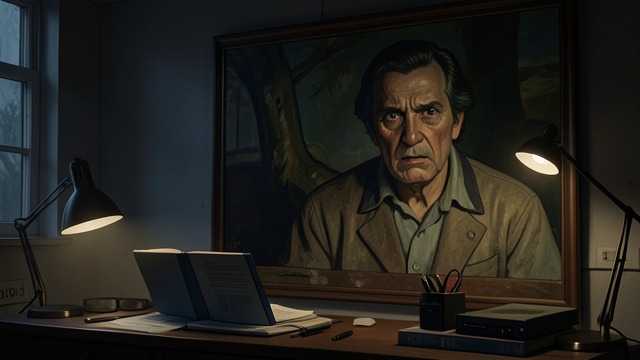
Seeing Cézanne Hungry
Perception Intensified
Hemingway finds the paintings at the Musée du Luxembourg more vivid when he is hollow with hunger. He wonders whether Cézanne painted while hungry or simply forgot to eat.
Insight with Doubt
He calls the thought unsound but illuminating. The qualification keeps bodily deprivation from becoming a simple artistic ideal.
The Lie About Lunch

The Lie About Lunch
A Concealed Need
When Sylvia Beach asks what Ernest Hemingway ate, he admits that he has no lunch to describe. He says he is going home, despite the late hour and his uncertainty about food.
Shame and Pride
Outside, he scolds himself for complaining when he chose to leave journalism. His response reveals how pride can turn hunger into moral self-accusation.
A Meal Restores the Body
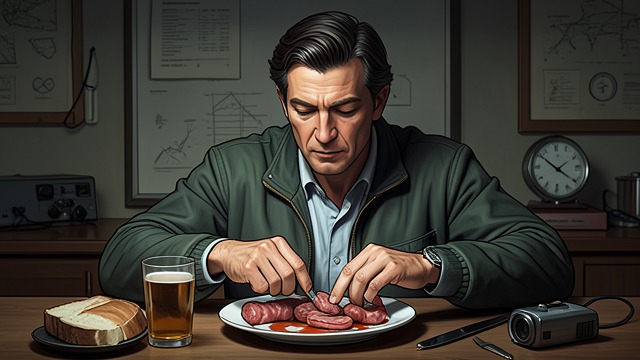
A Meal Restores the Body
Eating Slowly
Ernest Hemingway orders beer, potatoes, sausage, and bread at Lipp’s. He eats carefully, enjoying the cold drink and the sauces absorbed by the bread.
Pleasure as Necessity
The meal restores more than energy: it restores proportion. Hunger may sharpen attention, but eating is also wonderful and necessary.
A Rule Against Hunger-Thinking

A Rule Against Hunger-Thinking
Discipline Has Limits
Hemingway warns himself to manage hunger so it does not become a source of self-dramatization. He recognizes the absurdity of claiming artistic superiority while unable to eat regularly.
Returning to the Work
He chooses a subject he knows and returns to writing. Hunger matters as an experience, but work—not deprivation—is the next necessary act.
during Hemingway’s poorest Paris period
after a walk through the Jardin du Luxembourg
during Hemingway’s visit to Shakespeare and Company
later that afternoon at Lipp’s
during Hemingway’s reflection on returning to work
